
December 21, 2025 / Esther Choy
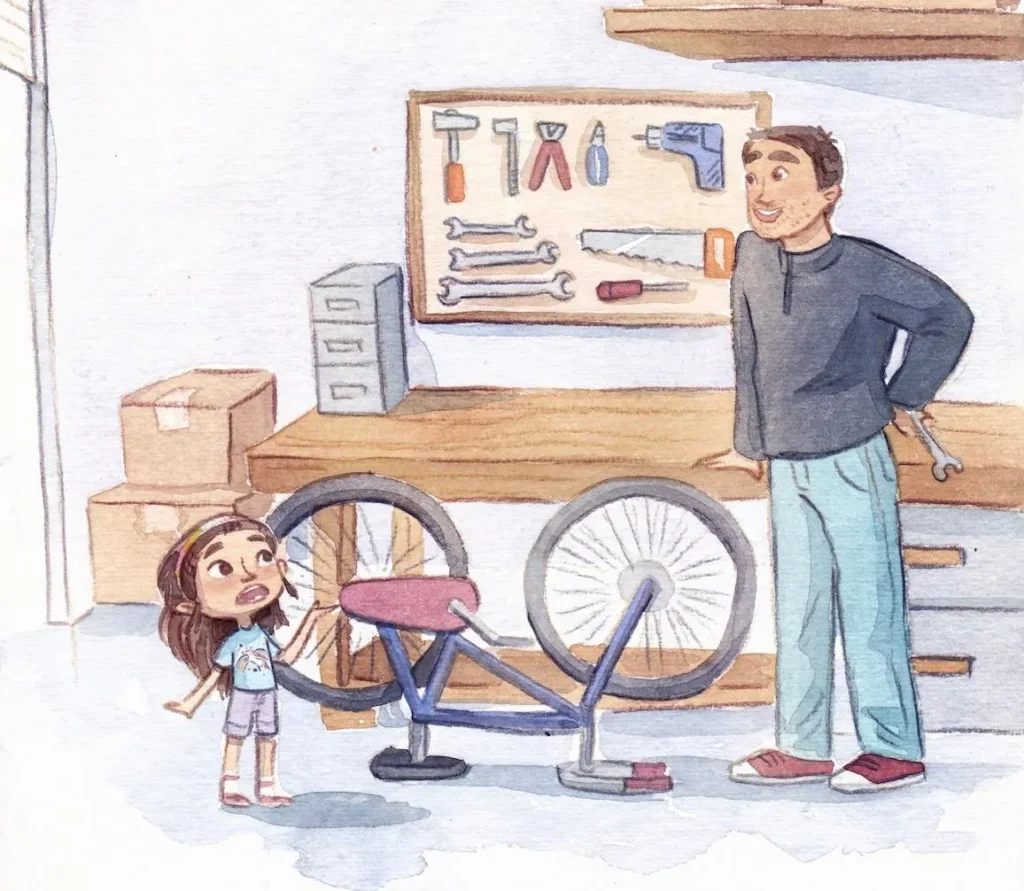 “Tech changes the way we live,” shared Shahid Hussain, a Group Product Manager, working on voice input and dictation on Android at Google. He recalled his own adolescent experiences that are familiar to many of us — the awkwardness and loneliness of being a teen. He believes if he had had access to AI then, he would have used it to the full extent possible to assuage these uncomfortable emotions. Now, he’s turning to storytelling to warn of the harm caused by misunderstanding AI.
Emerging research shows that children’s developing brains are especially vulnerable to deception by AI. “Kids already have a hard time figuring out fictional characters from reality,” warns Dr. Mitch Prinstein, co-director of the University of North Carolina’s Winston Center on Technology and Brain Development.
With the level of sophistication in conversational AI, Hussain was alarmed by how easy it is to believe that there’s a human on the other side. He felt especially concerned about kids’ ability to understand AI as he watched his kids engage with it.
Using Stories To Reach His Audience
He wanted to help educate his kids and other families, so he wrote a children’s book about AI. It helps show that when you are talking to AI, it’s not a person listening and responding to you.

Shahid Hussain
Even though Hussain is not a creative writer, he knew a storybook would be the most effective way to equip families with a better understanding of how to interact with AI. Just as data dumps are an ineffective way to engage people during business presentations, teaching his kids about AI with facts alone wasn’t enough. Storybooks and stories, on the other hand, capture the imagination and make facts memorable and meaningful.
His book — one of the only fiction books about navigating AI for young kids — Zoe and Zephy: Her AI Helper portrays an endearing young girl and her family discovering AI. Right now, most children’s books about AI are nonfiction workbooks designed for kids to learn how to use AI skillfully for homework assignments. Most do not confront the social-emotional impact of using AI in any meaningful way. Zoe and Zephy meets the need that other books ignore. Hussain was able to see this gap in resources because he took the time to understand his audience.

What Leadership Storytelling Borrows From Stories Like Hussain’s
As a leadership storytelling coach and trainer, I was inspired by Hussain’s method of teaching through story. 100% of the stories I teach are nonfiction. But leadership storytelling — the intentional sequencing of fact and emotion — requires the same attention to understanding your audience.
Hussain didn’t wait for a professional children’s author to write a story about AI, he believed he could tell the story himself. That’s a key quality of leadership storytelling — it’s recognizing that if you don’t tell your story, others will do it for you and you may not like their version. Or worse, the story may never get told at all.
And just because factual information is the backbone of business communication, we can still utilize fiction techniques in our business stories to get our point across.
For this reason, I created Lit & Lead, a tool for story facilitators to use in the workplace to create a space for conversation around leadership topics based on works of fiction. While conversations rely on fiction, the sharing and learning that come out of these conversations have real-world implications.
When Hussain shared about his process of writing the book, I knew immediately that the tools he employed in understanding his audience and generating empathy were tools that applied to all senior executives, especially in the age of AI. Hussain wanted his readers to understand that AI isn’t a human or a friend. Storytelling, on the other hand, is innately human. The following three storytelling tools rely on human-to-human interaction, a foundational form of leadership during the age of AI.
3 Fiction Tools That Apply To Leadership Storytelling
Storytelling generates empathy
Hussain wanted his book to appeal not only to kids but their parents. In the way, the Australian hit cartoon Bluey appeals to adults as much as their kids because the scenarios are incredibly relatable. He wanted the characters he created in his book to be similarly relatable. When readers relate to the characters, remarked Hussain, you “draw them into the story and make them invested in the outcome of the protagonist.”
In business stories, who are you telling stories about? Nobody relates to the infallible superhero who always gets the job done perfectly and gives 110%. Casey Foss, Chief Commercial Officer at West Monroe, learned that when she started to share stories about her own struggles it helped her be a better mentor to her colleagues.
Who are you telling stories to? Let your audience be your guide
When Hussain was writing this book, he paid careful attention to his kids and life at home. He noticed how dramatic his son could be when a challenge was not actually that serious. He noticed that no matter the context the word “butt” made his kids laugh. He worked all of these real-life traits into the fictional characters in his book.
Hussain shared that his child once told him, “I pooed for an hour and when I finished I was taller.” There’s no doubt that Hussain could have ever come up with something so funny and authentic to the creative thinking of children by himself.
“They’re better at being kids than I am, so it made sense for me to learn from them,” said Hussain.
And it makes just as much sense for executives to learn from the people they are leading. Pay attention. Observe. Ask questions. Take notes. Understanding who your audience will help you tell the right story at the right time. Your audience at work probably doesn’t want to hear butt jokes like most seven-year-olds do, but if you can learn what makes them laugh, you will gain insight and credibility.
Storytelling beats: pace the emotions
When talking about the writing process of Zoe and Zephy, Hussain talks a lot about “emotional beats.” He wants to give his reader the chance to experience a particular feeling. Using both language and images in the storybook, he creates space for the readers to sit with an emotion and imagine what it’s like to be the character.

Shahid Hussain
For example, in one part of the book, Zoe is talking to the AI, Zephy, and there is a series of illustrations of the two having a conversation. The pictures relate the range of emotions Zoe is experiencing as she converses with the machine. Without words, Hussain gives space to the reader to feel what exploring the use of AI feels like to a child.
In the same way, when executives are telling a leadership story, we must make sure we are not rushing through. Give your audience a chance to listen, process, and experience the story you are sharing with them. Business coach and author Yeo Chuen Chuen shared about how she structured a high-stakes speech to help her audience connect and feel inspired.
—
There are several books out there for kids about AI, but most of them are nonfiction. Zoe and Zephy, illustrated with hand-made watercolors, helps parents, grandparents, and teachers navigate the emotional side of interacting AI with the kids in their lives.The techniques Hussain used to write the book will help us all become better storytellers and better listeners, both at work and at home.

Shahid Hussain
When you feel concerned about something at work or elsewhere and you want to do something about it, remember the tools you have in your back pocket:
- Empathy — Who is your audience? What do they need to know? What kind of storytelling format will they relate to?
- Your Audience — Take time to understand your audience. What makes them laugh? What are they concerned about? They are the experts at being themselves, so ask questions!
- Pace Emotions — When you are sharing your story, make sure you create the space and time for people to sit with and experience the emotions you are bringing up.
In the age of AI, the pace is fast. We can’t wait for someone else to answer our concerns or tell our stories. But through the uniquely human tools of leadership storytelling, we can be ready to communicate effectively, no matter the challenge.
Related Articles
Storytelling is a must have 21st-century leadership
New Storytelling AI Bot To Empower Leaders With Personalized Coaching




Better Every Story
Leadership Transformation through Storytelling
"This is an amazing and insightful post! I hadn’t thought of that so you broadened my perspective. I always appreciate your insight!" - Dan B.
Get Esther Choy’s insights, best practices and examples of great storytelling to your inbox each month.