
July 3, 2026 / Esther Choy
 “I’m not here to sell you anything.” That’s what Amy — Sawyer Products’s lead salesperson — said when she walked into her first in-person meeting at a major retailer’s headquarters. Amy exemplified a communication tool she had learned in her company’s professional development courses.
 The buyers looked confused. True to her words, Amy didn’t have a traditional pitch planned. Instead, she explained about her company, what they do, how they do it, and why they wouldn’t discount their prices. The meeting ended with the retailer agreeing to Sawyer’s pricing and purchasing two additional products.
“Talk about perking their ears up,” Sawyer’s CEO Kurt Avery said when he shared this story with me. “How about an intriguing beginning like that? She had their attention right from the get-go.”
What’s an intriguing beginning? How does a salesperson walk into one of the world’s toughest retail buyers and close a deal by refusing to sell? Amy didn’t walk into that meeting winging it. That kind of confidence — knowing exactly who you are, what you stand for, and what you won’t compromise on — doesn’t happen by accident. The answer is professional development. But the secret to professional development that actually sticks isn’t the training itself. It’s what leaders do with it afterward.
Why Professional Development Can Fail
You’ve probably seen it before. A company brings in a speaker, the room is energized, people leave with new skills and good intentions. Three weeks later, nothing has changed.
US companies spent $102.8 billion on employee training in 2025, according to Training Magazine — and no one can be sure of the impact. Half of all professional development initiatives don’t track long-term results, and a 2023 longitudinal study in Human Resource Development Quarterly found that without reinforcement, 79% of employees can’t recall critical training information after just 30 days.
The investment in professional development evaporates not because the content isn’t valuable, but because learning a concept and actually using it are two very different things. Picking up a new software tool forces you to practice — you open the app, or you don’t get your work done. But a storytelling framework or new communications skill? You can walk out of a seminar energized and never try it, because the moment when you’d like to try it it feels too daunting and high stakes. The real question isn’t whether professional development is worth doing. It’s whether companies are willing to do what it actually takes to make it stick.
Another obstacle to professional development with a lasting impact is sometimes a company will only send one or two leaders from an organization to a training. When they return from the professional development seminar, it can be hard to sustain the new skills if there’s no buy-in or process for sharing what they learned.

How To Ensure Professional Development Pays Off
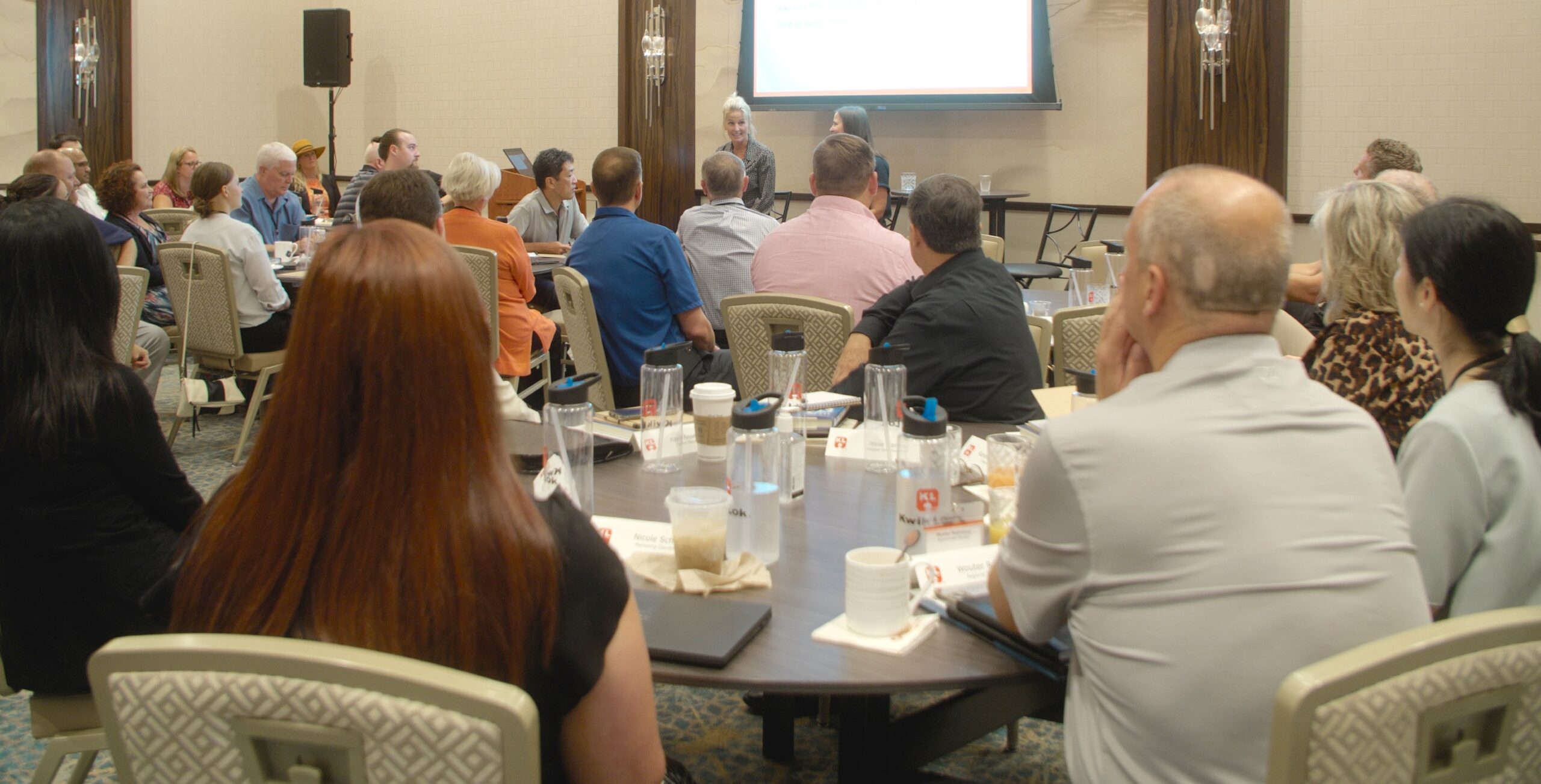
Four years prior to Amy’s sales meeting, Avery and I met at the professional development seminar that I lead every year at our alma mater’s Kellogg School of Management’s alumni reunion. There, he had learned a storytelling framework called IRS, which stands for Intriguing beginning, Riveting middle, Satisfying end. It changed the way Avery thought about his role as CEO and it changed the way Sawyer did business.
Known for outdoor products like permethrin-treated clothing and advanced water filters, Sawyer serves disaster relief efforts and communities around the globe where clean water is hard to access. In fact, this company is transitioning into becoming a nonprofit foundation. For a company like this — one that needs to make sure that every dollar spent on professional development has a meaningful return — the intangible nature of communication skills training like leadership storytelling can be a roadblock. How does a company ensure that professional development has the intended impact?
Avery understood this so he doubled down. He started an internal professional development training program, Grasshopper U, incorporating IRS principles and other storytelling tools.
“I teach that to interns every summer, but also I go through it with all our staff,” said Avery. “I’ve literally gone through the IRS framework, Crazy Good Questions, or just intriguing beginnings every other Wednesday for years. It’s been proliferated. We have had sessions where all we talked about was IRS.”
Today, no presentation at Sawyer — internal or external — gets made without the IRS framework. The lesson Kurt learned in a two-hour seminar is now deeply embedded in Sawyer’s company culture because of his commitment to ensuring professional development had a lasting impact.
“It becomes a part of how you think,” Avery said. “It becomes a part of who you are and how you lead.”
Four years after Avery attended his alumni reunion, when Amy was to meet with the major retailer, she had seen the storytelling framework in action for years and internalized its value. Therefore, she had the confidence to start her sales meeting with an intriguing beginning instead of a traditional sales presentation.
Sawyer’s CEO ensured they overcame the common pitfalls of professional development and the impact is obvious. Amy’s meeting wasn’t the first or only time an intriguing beginning helped the sales team build relationships with new clients.
The intriguing beginning “A mosquito bite shouldn’t be a death sentence,” helped them get permethrin-treated wraps to mothers in Uganda to protect their babies from malaria.
The Value of Storytelling Frameworks
For Avery, the IRS storytelling framework captured the importance of storytelling and, most importantly, gave him a way to teach storytelling to those around him. IRS is designed to help leaders craft compelling stories in three moves:
- Intriguing Beginning: Open with something unexpected that sparks curiosity and pulls the audience in before they realize they’re hooked
- Riveting Middle: Identify the central tension and hold it taut, trusting only the most necessary details to carry the narrative forward
- Satisfying End: Circle back to the opening idea, answering the questions raised at the start while leaving space for the audience to reflect
Because it’s a framework based on moves it can be applied to any situation. Whether you are writing a newsletter or creating a sales pitch, preparing for a board meeting or designing a lesson on storytelling, IRS can help you structure the content you want to make sure lands with your intended audience.
How To Ensure Professional Development Makes An Impact
There are three key ingredients to creating the cultural shift toward storytelling through professional development training that Sawyer models.
- Leadership buy-in — Avery leads by example. He practices the IRS method himself and he shares the stories of its impact with his team.
- Repetition — It’s not one training. Avery leads professional development workshops on a bimonthly basis, ensuring everyone from interns to VPs have a chance to learn and practice these communication skills.
- Opportunity to integrate — Internal communications as well as external communications are a chance to practice using the storytelling framework. The team has a chance to practice the communication skills in low-stakes situations before using them at high-stakes sales meetings.
The Real Professional Development Lesson From Amy’s Sales Meeting
When Amy walked into a meeting with a major retailer with an intriguing beginning rather than a traditional pitch deck, she had the confidence to do so because she had been training for this moment for years. She had practiced IRS before. It felt natural to her by the time she had the opportunity to meet with a potential new customer.
This is the lesson for leaders who want to make sure professional development training has an impact. No single workshop, seminar, or keynote was ever designed to rewire the way a team or leader thinks and communicates. It takes practice, repetition, and a community.
Amy closed the deal because her CEO sat in a one time professional development seminar, took one storytelling framework seriously, and spent the next four years making sure everyone on his team learned about the power of storytelling too.
Related Articles
A Better Way To Lead Your Team Through Change
The Secrete To Building Effective, Happy, Healthy Corporate Culture




Better Every Story
Leadership Transformation through Storytelling
"This is an amazing and insightful post! I hadn’t thought of that so you broadened my perspective. I always appreciate your insight!" - Dan B.
Get Esther Choy’s insights, best practices and examples of great storytelling to your inbox each month.